Top 10 Benefits of Beetroot Flakes for Health and Food Applications
Beetroot flakes benefits go beyond convenience. Organic Beetroot Flakes and Dried Beetroot Flakes are valuable for clean-label foods, nutrition-focused products, and commercial ingredient supply. This guide explains the top 10 advantages and the best ways to use them.
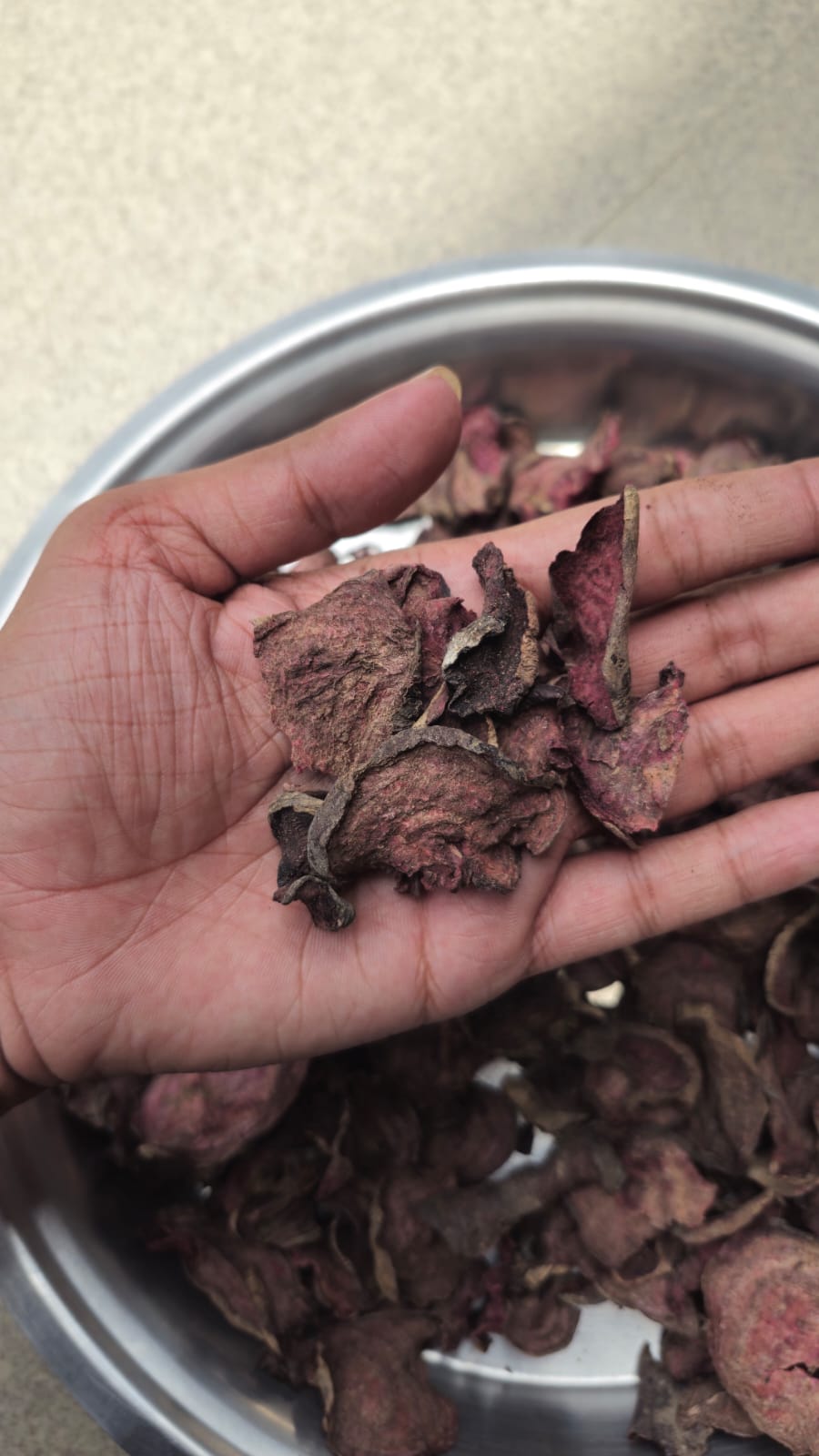
Beetroot flakes are a versatile dried ingredient for food manufacturing, health-oriented recipes, and B2B bulk supply.
Featured Snippet Summary
Beetroot flakes are dehydrated beetroot pieces that provide clean-label color, convenient storage, and versatile use in food manufacturing. Their main benefits include longer shelf life, easy use in dry blends, natural nutrition positioning, and suitability for soups, seasonings, snacks, and wellness products.
About SwaadAmrits Beetroot Flakes
This article is written for buyers and readers exploring premium SwaadAmrits beetroot flakes. The ingredient is positioned for food processors, supplement brands, importers, and wholesale buyers who need a dependable dried beetroot solution.
View Organic Beetroot Flakes Product Page →Introduction
Beetroot flakes are one of the most practical ways to use beetroot in modern food systems. Instead of dealing with the perishability of fresh beetroot, manufacturers and consumers can rely on a dried ingredient that stores well, travels well, and works in many different formulations. For B2B users, that convenience translates into lower waste, easier planning, and more predictable production.
In the food and wellness market, the phrase Organic Beetroot Flakes matters because buyers increasingly want ingredients that are transparent, minimally processed, and easy to understand. Dried Beetroot Flakes deliver a vegetable-based identity without the complications of fresh handling. They can be blended into soups, noodles, seasoning mixes, snack concepts, and functional foods, making them useful across multiple categories.
This guide explores the top 10 beetroot flakes benefits for health and food applications, with a focus on real commercial value. It also explains how beetroot chips benefits connect to snack innovation, how food processors use the ingredient, and why quality suppliers matter for long-term consistency.
Top 10 Benefits of Beetroot Flakes
1. Supports clean-label product development
One of the strongest beetroot flakes benefits is clean-label appeal. Food brands want ingredients that sound natural and transparent. Organic Beetroot Flakes fit well into this trend because they are easy to explain, easy to position, and free from the complexity of artificial additives. For manufacturers building modern products, this matters as much as nutrition.
2. Retains beetroot color in a shelf-stable format
Dried Beetroot Flakes deliver the familiar red-purple visual identity of beetroot in a format that is much easier to store and ship. This makes them useful in soups, dry mixes, seasoning bases, and convenience foods where color contributes to product value and consumer perception.
3. Convenient for B2B manufacturing and export
Compared with fresh beetroot, beetroot flakes reduce spoilage risk and simplify inventory management. That creates a major advantage for importers, wholesalers, and ingredient distributors. The commercial value of dehydrated vegetable supply is especially high in export channels where handling efficiency matters.
4. Works well in multiple food applications
Beetroot flakes are highly adaptable. They can be used in soups, noodles, bakery mixes, spice blends, sauces, vegetable medleys, and instant foods. This versatility is one reason food developers appreciate the ingredient: one format can serve many product categories without changing the basic ingredient story.
5. Supports natural nutrition messaging
Beetroot is known for its naturally occurring antioxidants, plant compounds, and mineral profile. While processing changes the final form, flakes still allow brands to communicate a beetroot-based nutrition story. This is useful in functional foods and wellness products where natural-origin positioning supports brand trust.
6. Better storage stability than fresh beetroot
Fresh beetroot is perishable and requires more careful handling. Dried Beetroot Flakes, however, are designed for ambient storage when packed correctly. That means longer usable life, lower waste, and easier planning for manufacturers who need ingredients available on schedule.
7. Helpful for natural food coloring applications
Many food processors value beetroot flakes because they can contribute natural red color without artificial dyes. In products where a natural visual identity matters, the ingredient can support clean-label claims while helping the final product look vibrant and appetizing.
8. Valuable in snack and beetroot chips concepts
When buyers search for beetroot chips benefits, they are often looking for a vegetable ingredient that brings texture, appearance, and modern snacking appeal. Beetroot flakes can support dehydrated snack innovation, topping mixes, and crunchy vegetable concepts that meet clean-label demand.
9. Suitable for supplement and wellness markets
Organic Beetroot Flakes are used by supplement manufacturers and wellness brands that want plant-based ingredient inputs. They can be incorporated into blends, functional nutrition products, and product lines built around natural sourcing and simplicity.
10. Creates strong commercial value for ingredient buyers
Beyond nutrition, beetroot flakes offer operational value. They are easier to transport than fresh beetroot, simpler to store than many perishable ingredients, and adaptable across many uses. That combination makes them a useful ingredient for serious B2B buyers seeking dependable sourcing.
Uses in Food Industry
Food manufacturers value beetroot flakes because they solve a practical problem: how to include beetroot in a format that is stable, easy to store, and easy to use in production. The ingredient has a strong fit in several categories.
Soups, Stews, and Ready Meals
Beetroot flakes fit naturally into instant soups, vegetarian meal kits, and ready-to-eat foods where vegetable identity and easy rehydration are important. The flakes give food processors a practical way to include beetroot in convenient consumer products.
Seasonings and Dry Blends
Many manufacturers add beetroot flakes to seasoning mixes and dry blends to provide color, texture, and a vegetable-forward ingredient story. This is especially useful in clean-label formulations for soups, noodles, and spice bases.
Bakery and Savory Concepts
The ingredient can be used in savory bakery concepts, crackers, crackers, savory muffins, and specialty baked products that want beetroot’s distinctive color and flavor profile.
Snack Manufacturing
Organic beetroot flakes and beetroot chips concepts work well in the snack category. Producers use them in dehydrated snack mixes, vegetable crisps, sprinkle toppings, and crunchy formulations aimed at health-conscious buyers.
Wellness and Functional Foods
For supplement brands and functional food companies, beetroot flakes provide a credible plant-based ingredient story that aligns with natural nutrition trends and clean-label positioning.
Export and Wholesale Ingredient Supply
Importers, wholesalers, and distributors often want ingredients that are simple to store, move, and repackage. Dried beetroot flakes are well suited to this commercial reality, especially when supplied with consistent quality and packaging support.
Why manufacturers choose beetroot flakes
- • Stable ingredient format for dry blends and convenience foods
- • Easy to portion, store, and transport in bulk operations
- • Suitable for both health-oriented and visually appealing recipes
- • Helps brands communicate natural vegetable inclusion to customers
- • Supports innovation in soups, snacks, sauces, and shelf-stable products
Nutritional Value Table
Beetroot flakes are valued not only for convenience but also for the nutrition story they carry into food and wellness applications. The exact values depend on the raw beetroot source and drying process, but the core nutritional profile remains highly attractive for clean-label products.
| Nutrient | Commercial Relevance |
|---|---|
| Energy | Moderate energy contribution per serving |
| Carbohydrates | Naturally occurring beetroot carbohydrates |
| Dietary Fiber | Supports texture and digestive balance |
| Potassium | Naturally occurring mineral content |
| Folate | Naturally present in beetroot-based ingredients |
| Antioxidants | Betalains and polyphenol compounds |
| Natural Color Compounds | Deep red-purple beetroot pigments |
| Moisture | Lower than fresh beetroot due to dehydration |
Health positioning
The natural compounds in beetroot help brands build a functional narrative around antioxidants, vegetable intake, and plant-based nutrition. That makes beetroot flakes useful for wellness-forward product development.
Manufacturing value
For processors, the value lies in shelf stability, predictable use, and the ability to add vegetable identity without fresh-ingredient logistics. That operational benefit is a major reason buyers choose dried beetroot formats.
How Beetroot Flakes Fit Health Goals
Even though this article focuses on food applications, the health appeal of beetroot is part of the ingredient’s market power. Consumers associate beetroot with natural vitality, color, and plant-based nutrition. That is why Organic Beetroot Flakes continue to show up in both wellness and food innovation.
Key health-related positioning points
Natural nutrition support
Beetroot-based ingredients help brands communicate natural nutrition and vegetable sourcing, which is important in clean-label wellness products.
Functional ingredient story
Food brands often prefer ingredient stories that connect with energy, vitality, and active lifestyles. Beetroot fits that narrative well.
Why Organic Beetroot Flakes Matter for B2B Buyers
For importers, wholesalers, and food processing companies, the value of beetroot flakes is not just in nutrition; it is in commercial reliability. Dried Beetroot Flakes are easier to standardize in supply chains than many fresh ingredients. That matters when batches must arrive on time, remain stable during storage, and integrate smoothly into production lines.
In the wholesale market, beetroot chips benefits and beetroot flakes benefits overlap in a useful way. Buyers care about visible vegetable identity, product differentiation, and clean-label marketing appeal. Whether they are creating crunchy snacks, soup mixes, or wellness products, beetroot flakes deliver a strong combination of quality perception and operating efficiency.
SwaadAmrits supports these buyers with a focused ingredient supply model. The product page at Organic Beetroot Flakes is designed for B2B procurement conversations, while this blog article helps explain the product’s practical and nutritional value in plain language.
FAQ Section
Are beetroot flakes healthier than fresh beetroot?
Beetroot flakes are a convenient dried ingredient that retain many of the natural compounds found in beetroot. Fresh beetroot has water content and a shorter shelf life, while flakes are easier to store, transport, and use in food manufacturing. For B2B buyers, beetroot flakes offer a balance of nutrition, convenience, and commercial stability.
What are the main beetroot flakes benefits?
The main beetroot flakes benefits include clean-label positioning, natural color, easy usage in dry blends, longer shelf life, convenient transport, and broad suitability for food and wellness applications. They are especially valuable for manufacturers that need a dehydrated ingredient with predictable handling.
Can organic beetroot flakes be used in supplements?
Yes. Organic beetroot flakes can support supplement and wellness formulations when the brand wants a plant-based ingredient story. They are also used in powdered blends, functional foods, and product development pipelines where beetroot is valued for its natural nutrition profile.
Are dried beetroot flakes good for export?
Yes. Dried beetroot flakes are suitable for export because they are lower in moisture, easier to package, and more stable during storage and shipping than fresh beetroot. This makes them practical for importers, wholesalers, and distributors.
How can food manufacturers use beetroot chips benefits?
In the market, beetroot chips benefits are often associated with texture, visible vegetable inclusion, and clean-label snack positioning. Dehydrated beetroot chips or flake formats can be used in snacks, dry mixes, toppings, and ready-to-eat products.
What is the shelf life of beetroot flakes?
Shelf life depends on moisture control, packaging, and storage conditions. In sealed food-grade packaging and dry storage, beetroot flakes generally offer a significantly longer commercial life than fresh beetroot.
Do beetroot flakes contain natural color?
Yes. Beetroot flakes retain the naturally deep red-purple color of beetroot, which is one reason food developers use them in soups, dry mixes, sauces, and natural product formulations.
Conclusion
Beetroot flakes are more than a convenient ingredient. They are a flexible, stable, and commercially valuable format that supports food manufacturing, health-focused product development, and export supply. The top beetroot flakes benefits include clean-label appeal, natural color, versatility, storage stability, and compatibility with many modern food categories.
For brands developing food and wellness products, Organic Beetroot Flakes provide a strong ingredient story with practical manufacturing advantages. For B2B buyers, the same ingredient offers the operational reliability needed for bulk sourcing, while dried beetroot flakes make storage and shipping easier than fresh alternatives.
If your business is looking for a beetroot flakes manufacturer, exporter, or bulk ingredient partner, SwaadAmrits can help with consistent supply, product information, and commercial support.
Call To Action
Need bulk Organic Beetroot Flakes for manufacturing, distribution, or export? Contact SwaadAmrits for product specifications, pricing, samples, and supply discussions. We work with food companies, supplement brands, wholesalers, and importers that need reliable beetroot ingredient sourcing.